Research
Nonlinear dynamics, chaos and pattern formation in models of ecosystems and epidemics, increasingly learned directly from data.
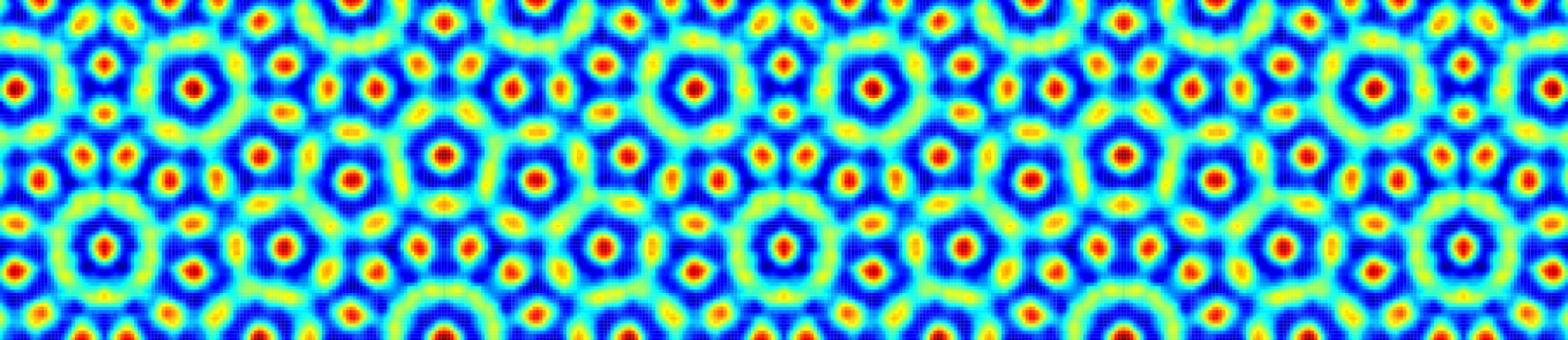
Banner: Turing pattern from N. Kumari & N. Mohan, Mathematics 7(3):229 (2019), CC BY 4.0.
Our research area “Nonlinear Dynamics and Chaos” is an interdisciplinary area of work where we study the nonlinear dynamical behaviour in dynamical systems designed for various real world problems. Our work established that “Wave of Chaos” phenomenon can be a possible cause for the Plankton Patchiness problem of marine ecosystem. Our work also focuses on Nonlinear Reaction Diffusion models of real world problems and study of various Nonlinear phenomena exhibited by such systems.
We are pursuing research in novel platforms for computation as well as in Mathematical Biology. We are also working in the area of “Machine Learning in Dynamical Systems”.
Research highlights
Pattern formation in reaction–diffusion systems
Simulated spatiotemporal patterns of the prey species in a nonlinear reaction–diffusion model.
European Physical Journal Plus, 2022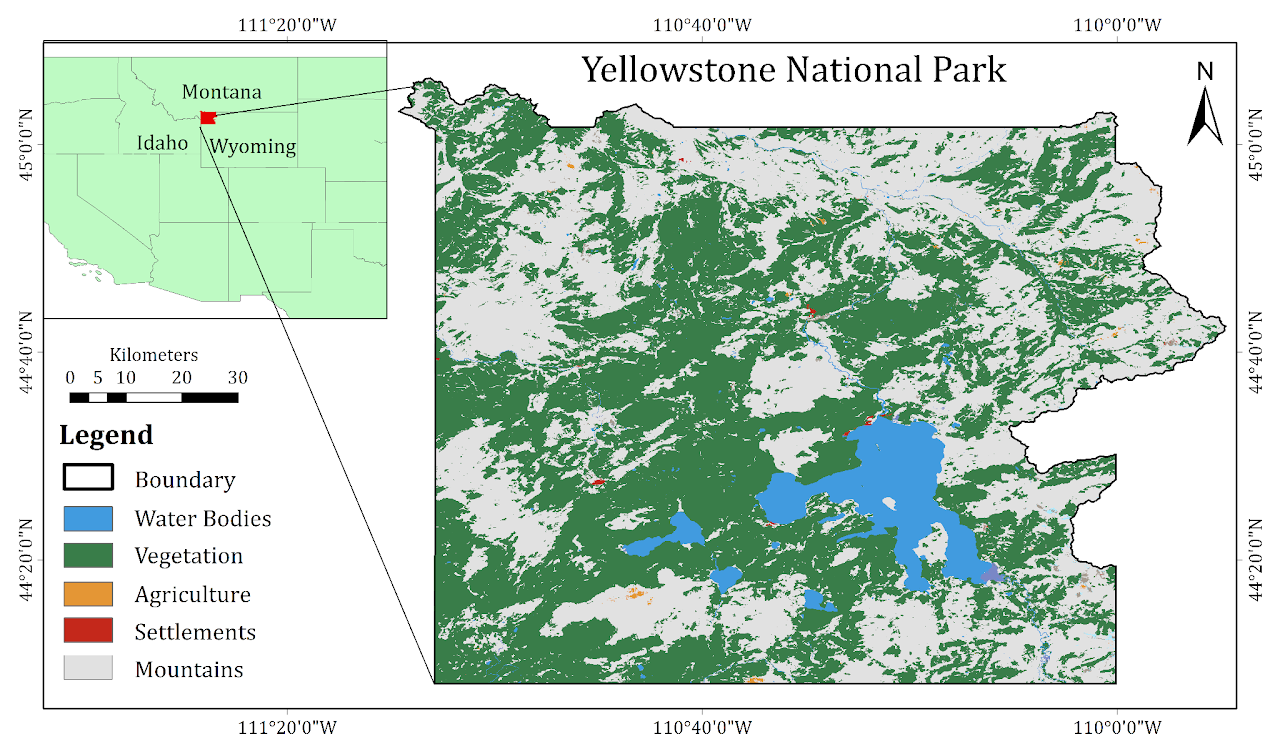
Modeling of Elk–Wolf in Yellowstone National Park
The first mathematical model of elk–wolf interaction in Yellowstone, built from data with the E-SINDy algorithm.
Ecological Modelling, 2026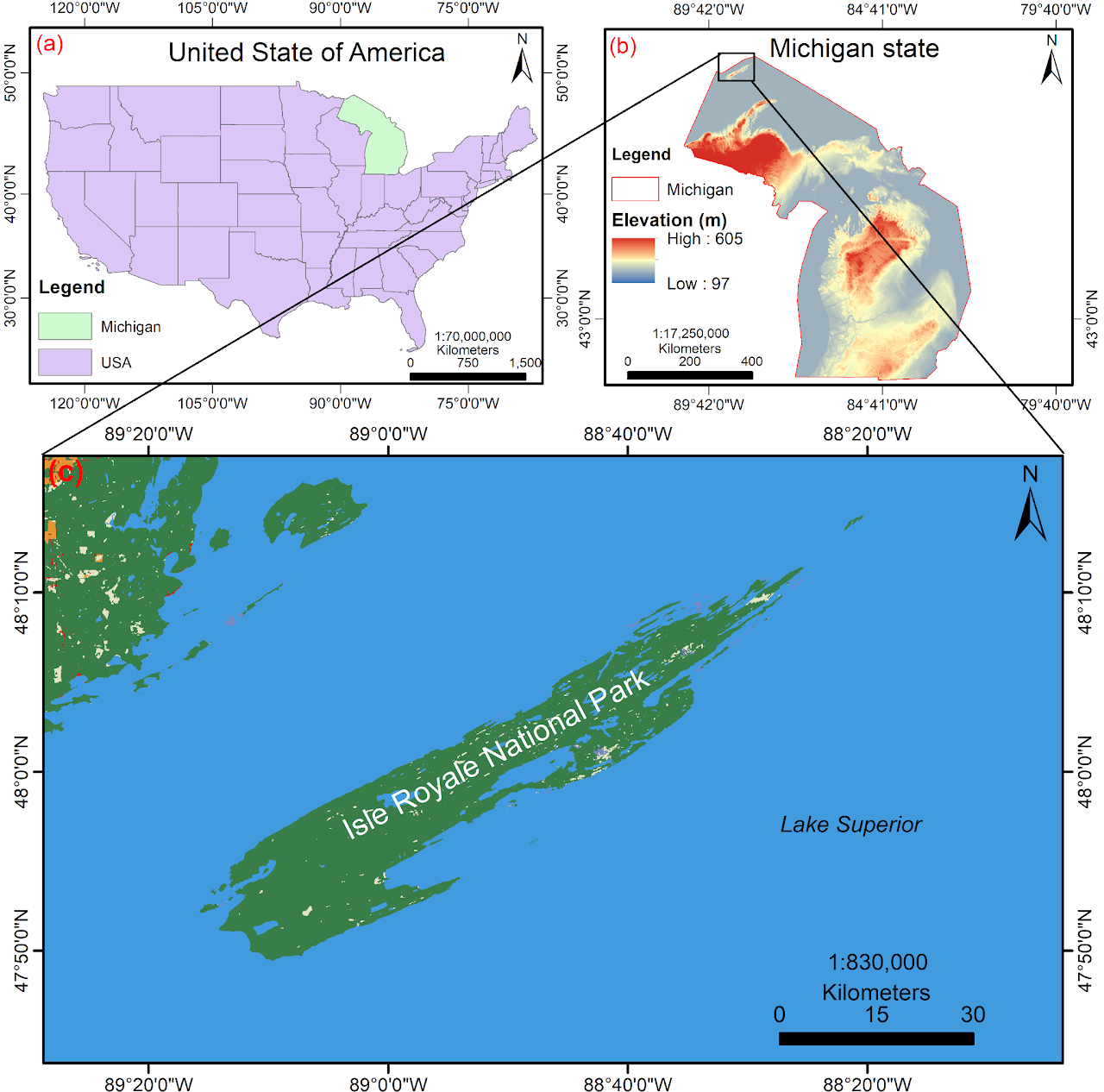
Modeling of Moose–Wolf in Isle Royale National Park
Data-driven modeling of moose–wolf prey–predator dynamics on Isle Royale using the SINDy algorithm.
Scientific Reports, 2025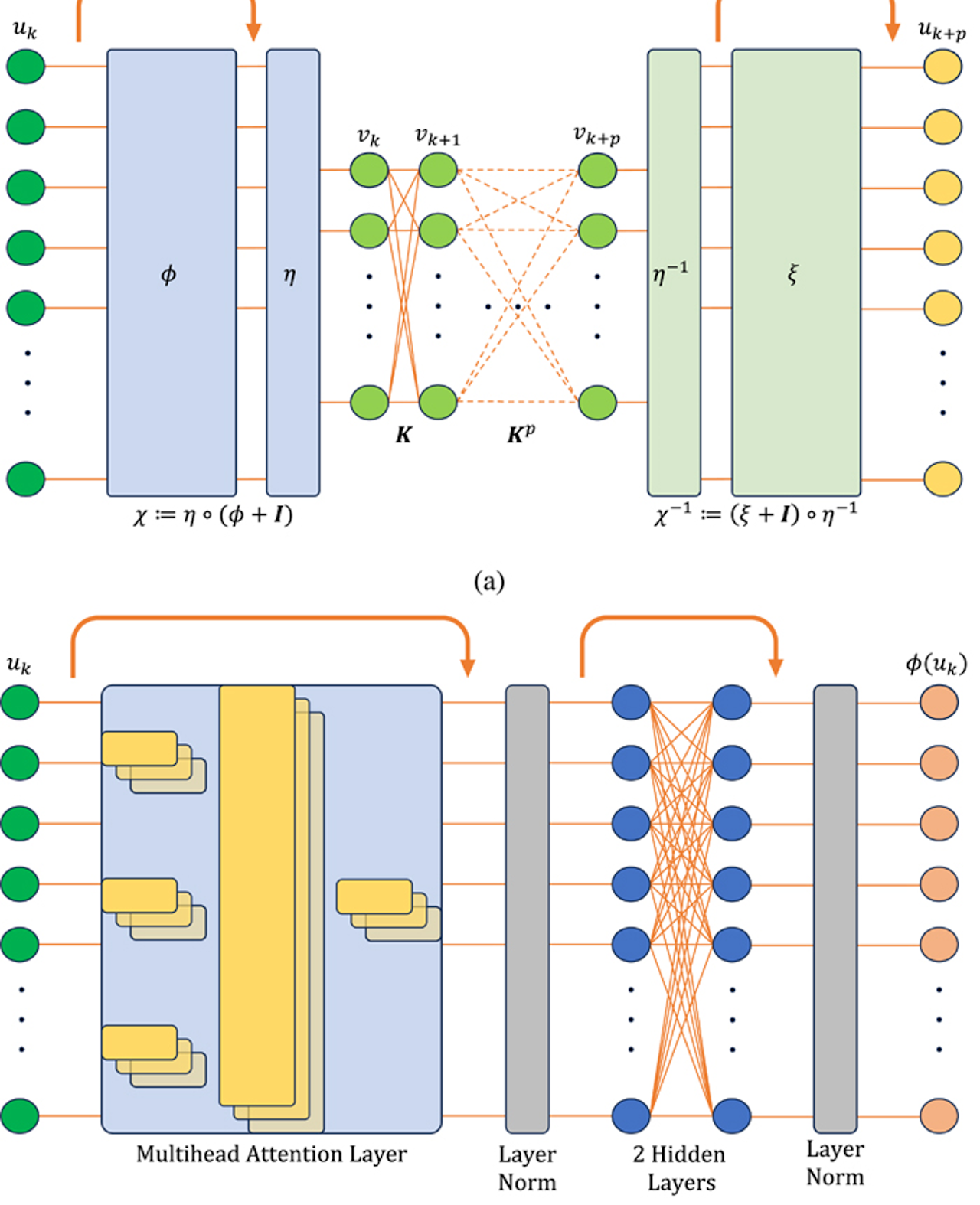
Linearization of Fisher’s Equation
A Transformer-based Koopman autoencoder that learns a linear representation of the nonlinear Fisher’s equation.
Chaos, 2025